It's been a busy 3 months at Woods for the Trees
Woods for the Trees
Newsletter

Spring 2023

Nuts for the Trees logo
A school project finally takes root

Nuts for the Trees, our scheme for schools, is celebrating its first success! The children at Queen's Park Primary School in Brighton, who had been growing and nurturing "baby trees" from seed for over a year, found a partner school with more space to plant them.

Read Poppy's blog >

After the storm
Spring in Thistle Wood

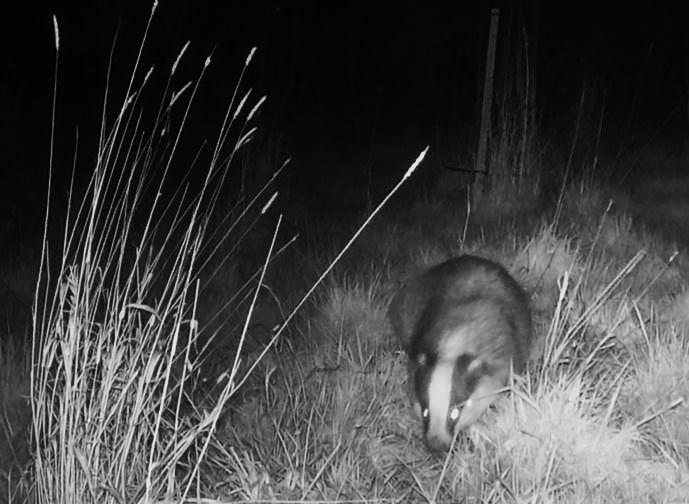
I have been keeping a diary for Thistle Wood in County Durham since 2014, the year I bought it after it had been planted and then neglected.  The diary records work I have done, such as planting new trees, fixing fences and monitoring rapacious deer; more importantly, perhaps, it records the arrival of new animals and flowers and the passing of the seasons, reflecting just how variable those seasons can be.

Read Max's blog >

Propagation

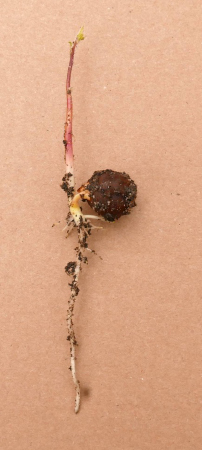
Acorns, hazelnuts and beech nuts are easy to propagate – we already have scores of them shooting in their seedling growing cells (I get mine from Containerwise).  Winged seeds (like Field maple) are trickier; and because they have built-in dormancy they are slow to sprout anyway – no signs of them shooting yet; nor of rowan, hawthorn or elm.  Time will tell.  With practice, you recognise the distinctive ways in which each seed grows.  Hazel nuts send out a very long, straight tap root, before the shoot unfolds and emerges (see pic) – so they look like they're doing nothing for ages.  Acorns send shoots and roots up and down simultaneously, and they can develop intricate root systems very quickly.  With their amazing hydraulic oomph they can push through quite compact soil, heading for the light and letting nothing get in their way.  Beech nuts produce a root that emerges from the nut, bends down and penetrates the soil; then the nut casing is pushed up, like a small brown flag, on the end of the first pair of leaves, which are huge compared to any of the other seedlings.  I visit my seed trays daily and keep a note of what comes up when; it's just fascinating.

What3Trees

Talking of propagation, we planted well over 100 trees in the first trial of our What3Trees gift card scheme.  So far as one can tell at this early stage, they are all doing fine.  Instead of getting bare-rooted trees, which are cheap but susceptible to failure, we planted cell-grown seedlings, which come in their own compost-filled cells that can be popped into the ground into a spade-cut without much fuss.  I'll be reporting on your trees' progress throughout their first year.  

South Field

As I write, we have had no word on our appeal to DEFRA against the decision by the Forestry Commission to stop our native woodland scheme at Edmundbyers (see my previous blogs from December).  It's intensely frustrating; but we have been busy at South Field anyway, planting a screen of trees around the barn (many of them sponsored by our What3Trees Christmas gift card recipients); digging drains and laying a hard surface at the entrance so we can get in and out in poor weather.  I'm delighted to say that the drystone walling team led by Paul Foster has started again, rebuilding and patching the wall that faces onto the main Stanhope road.  It looks terrific and is a great investment in the future – they are a fantastically skilled group of volunteers.


Birds are arriving on the surrounding moors in numbers for Spring breeding: curlews, lapwings, geese and oyster catchers; they seem unperturbed by our comings and goings, though we have to be careful that they are not trying to nest on the Landrover track.  It'll soon be time to catch up with barn maintenance: pointing the lime mortar that didn't get done last year; putting another window or two in; sorting tree tubes and stakes for next winter.  

In the news…

We like to keep tabs on what's going on in the world of trees, woods and wood.  If you are interested in courses related to woodland crafts and skills, the Small Woods Association is worth joining.  Their April newsletter is full of training opportunities, news and initiatives (their magazine is good, too).  This Spring they are running courses on bowl carving, coracle making, basketry and woodland wildflower identification.  And they have news of The People's Plan for Nature, a collaborative project to 'save' the environment.

Unsubscribe   |   Manage your subscription   |   View online
Woods for the Trees
www.woodsforthetrees.org
© WFTT 2023